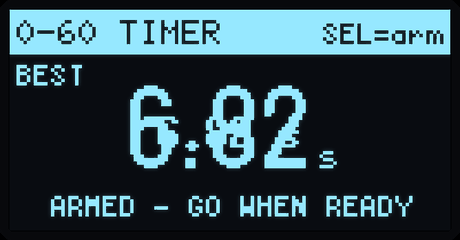
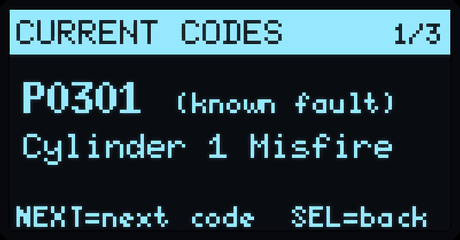
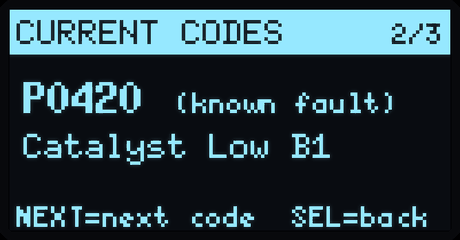
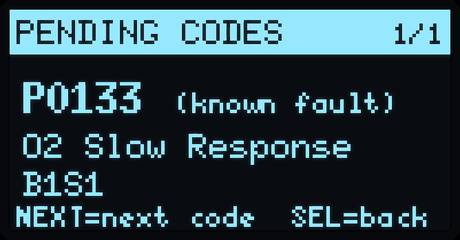
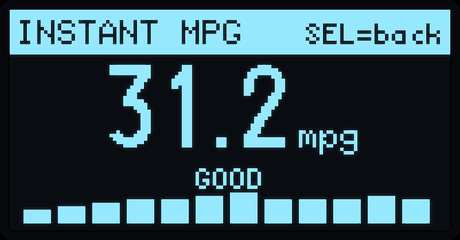
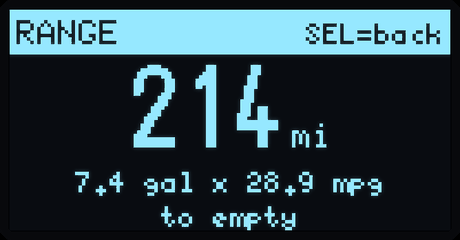
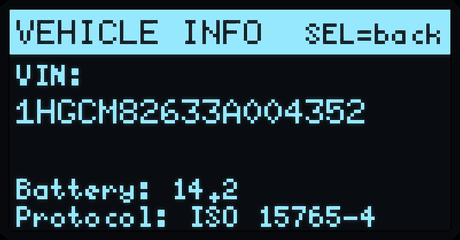
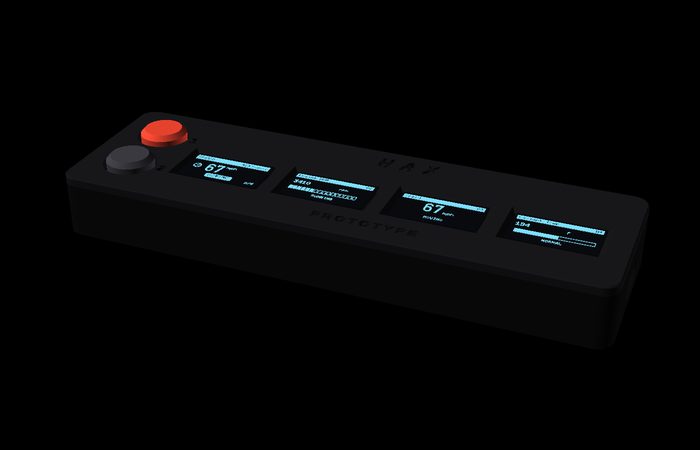
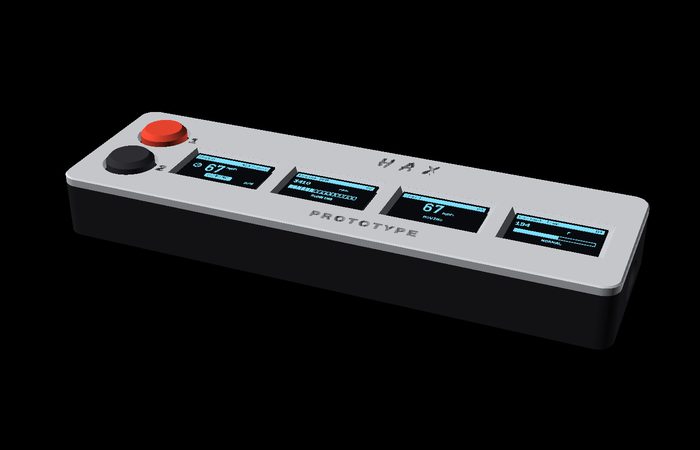
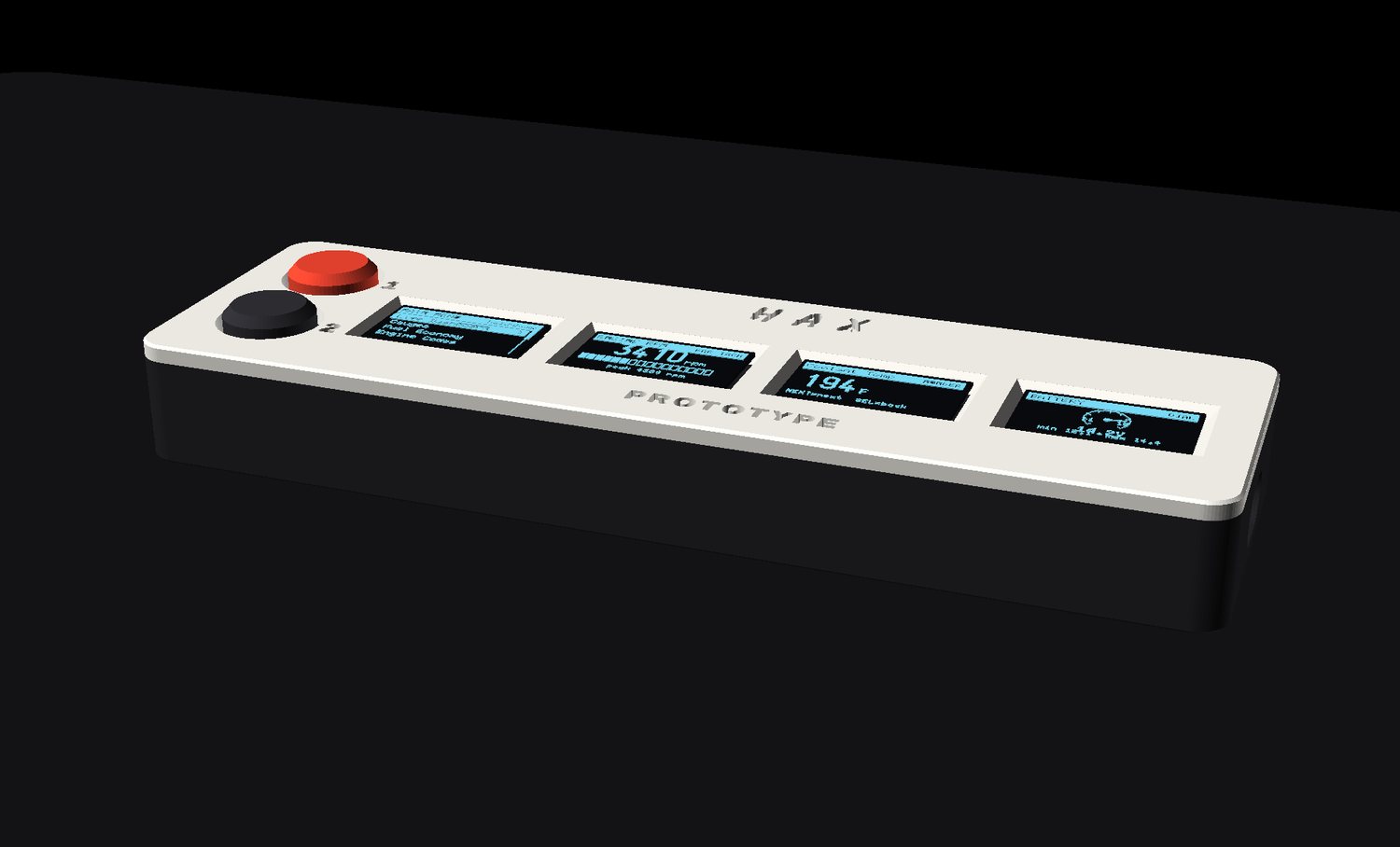
A solid-state instrument bar for your dash. One to eight OLED gauges, two clicky buttons, and the moment your check-engine light comes on it reads the code and tells you what it actually means.
The idea
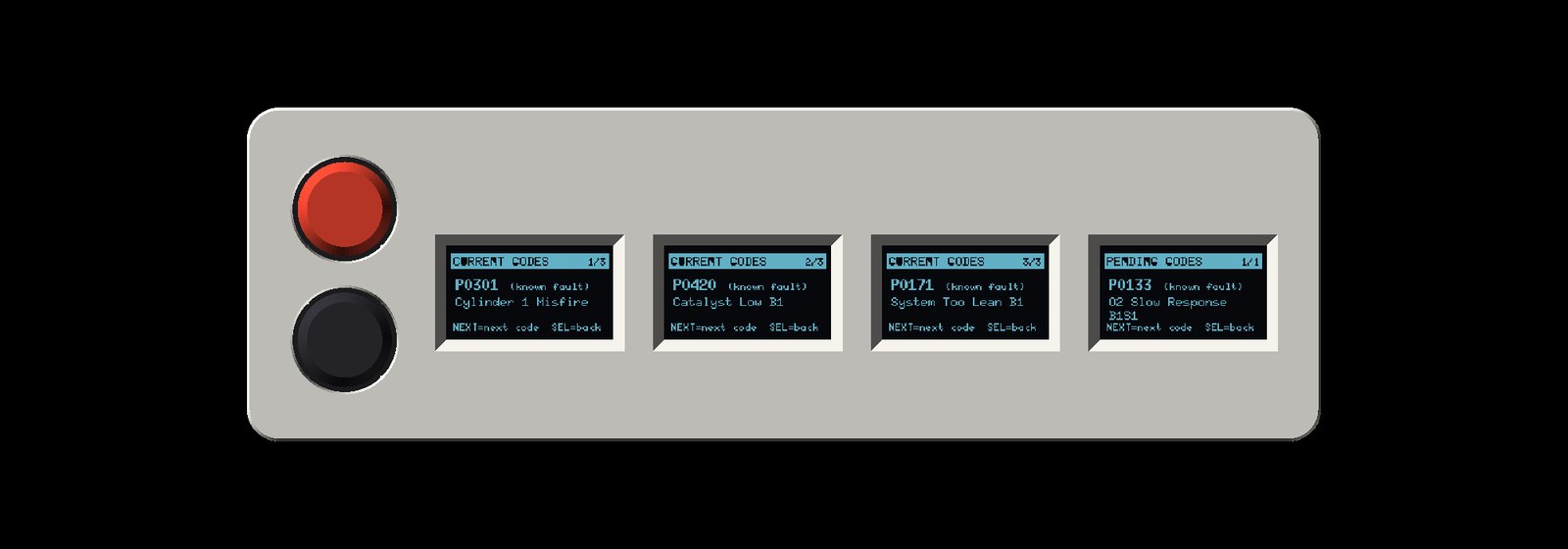
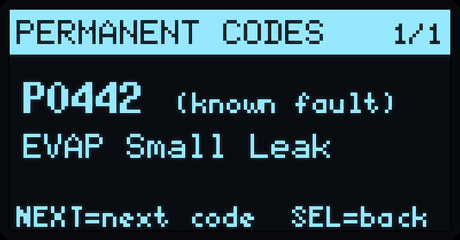
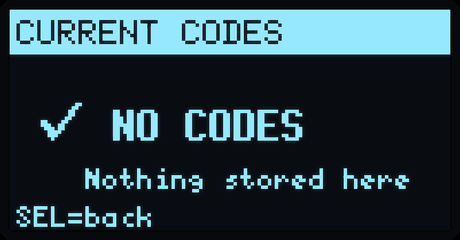
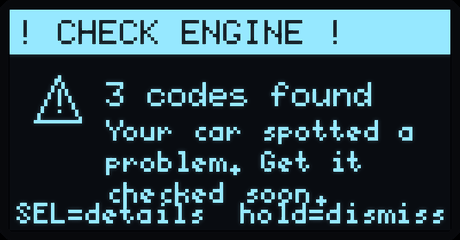
A check-engine lamp is one bit of information. DrivePulse watches the ECU continuously, and the instant a fault is flagged it pulls the code and prints it in words — on your dash, before your phone has even unlocked.
Over 350 trouble codes are described on the device itself. No internet, no lookup, no app. Unknown codes still decode to the right area of the car rather than leaving you with a five-character riddle.

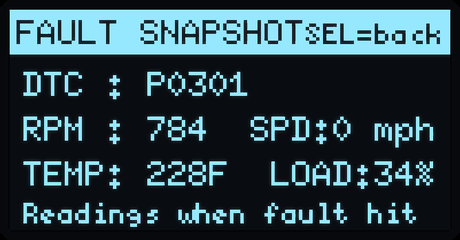
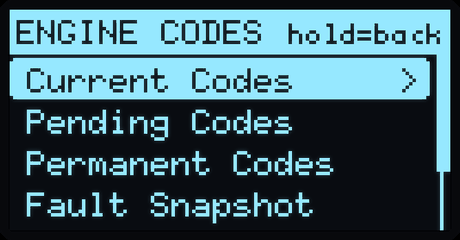
Stored, pending and permanent codes, plus the freeze-frame snapshot of exactly what the engine was doing when the fault hit.
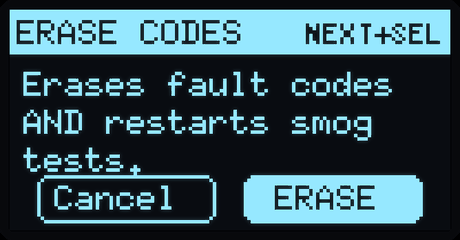
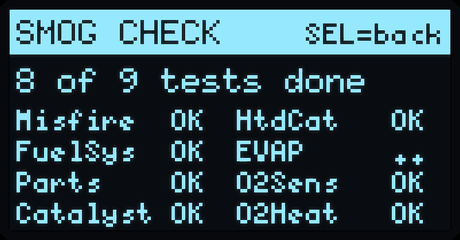
See whether your emissions monitors are complete before you drive to the inspection — and get warned that erasing codes resets them.
Standard OBD-II reads plus the same clear command any scan tool uses. It cannot flash, tune or write to your ECU.
The interface
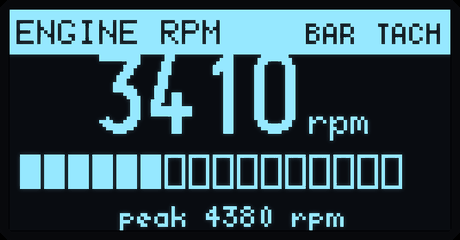
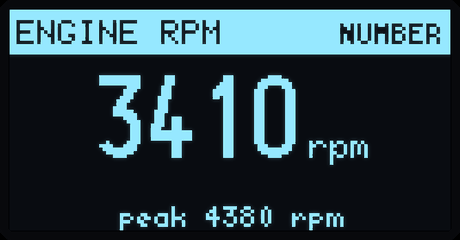
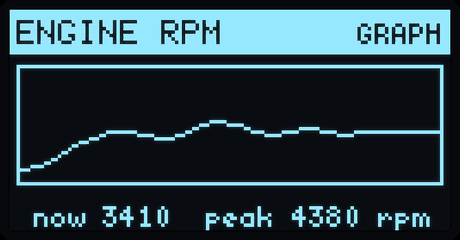
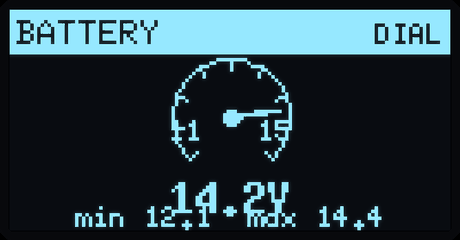
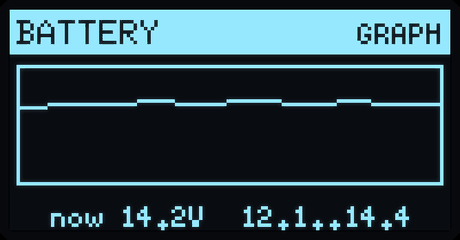
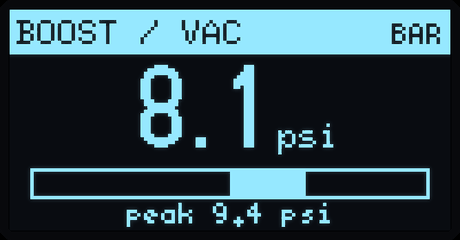
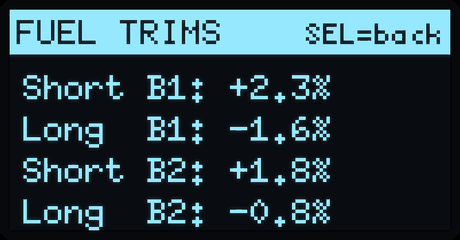
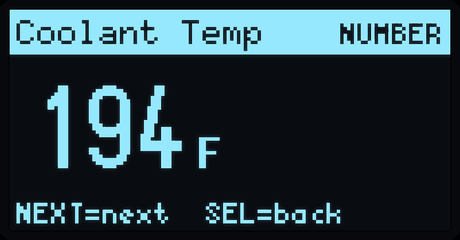
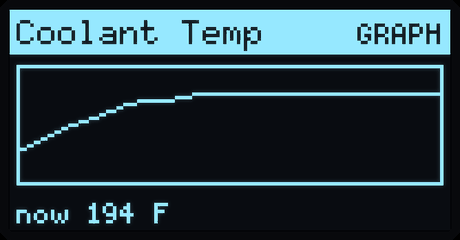
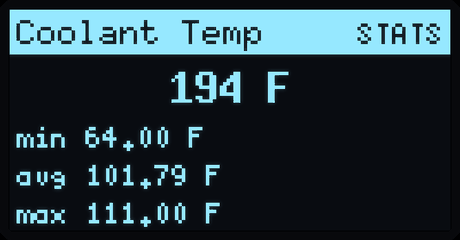
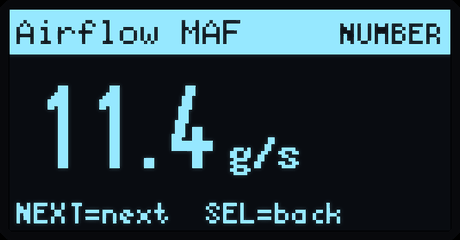
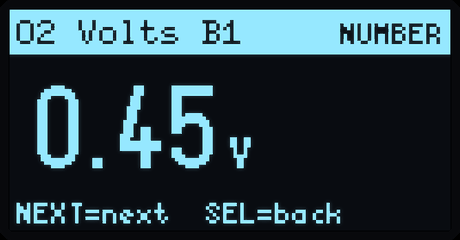
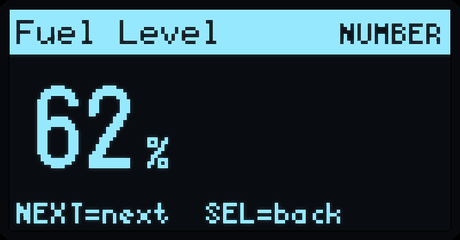
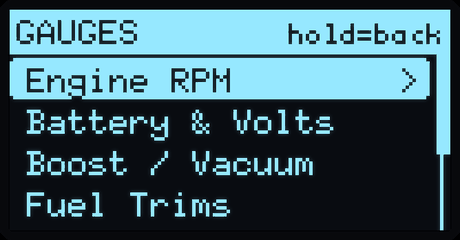
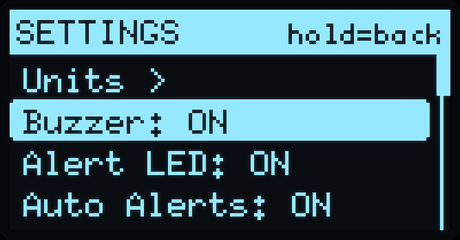
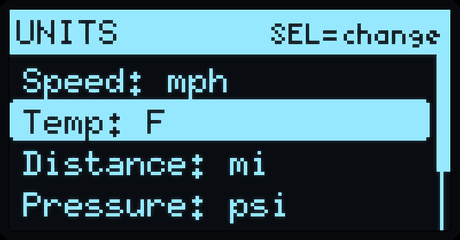
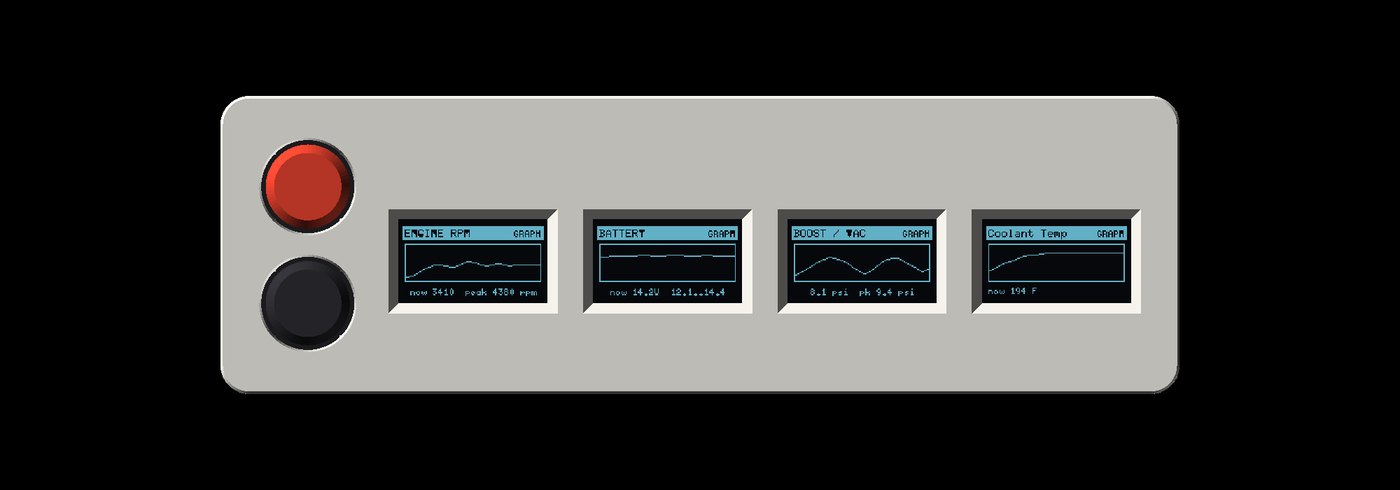
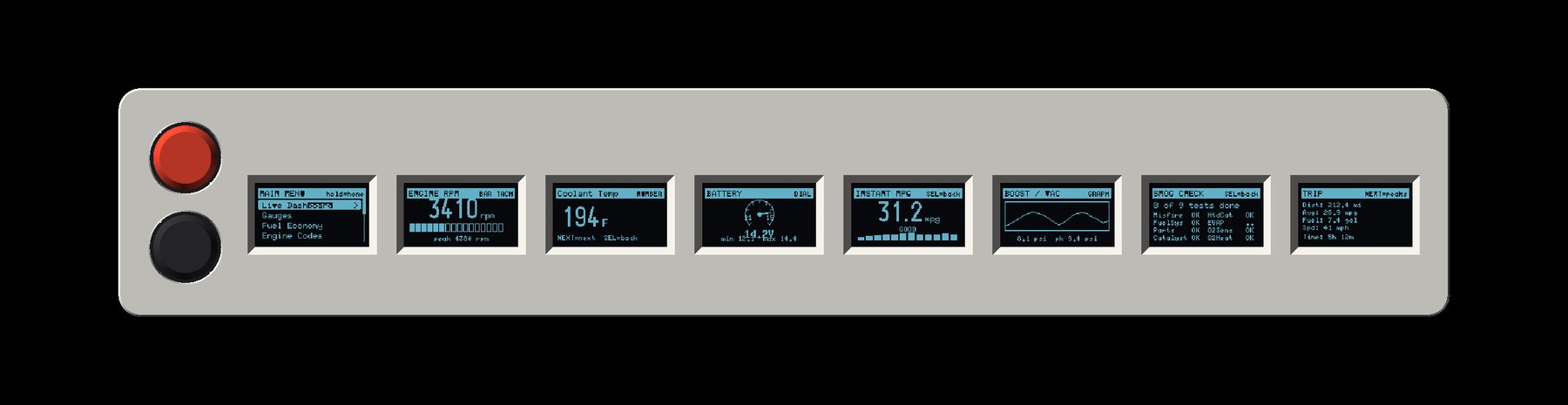
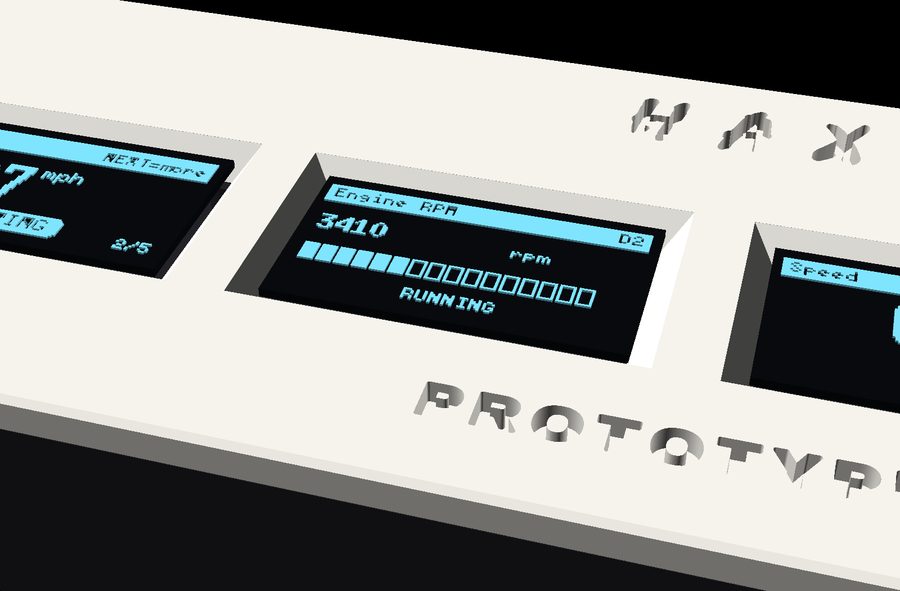
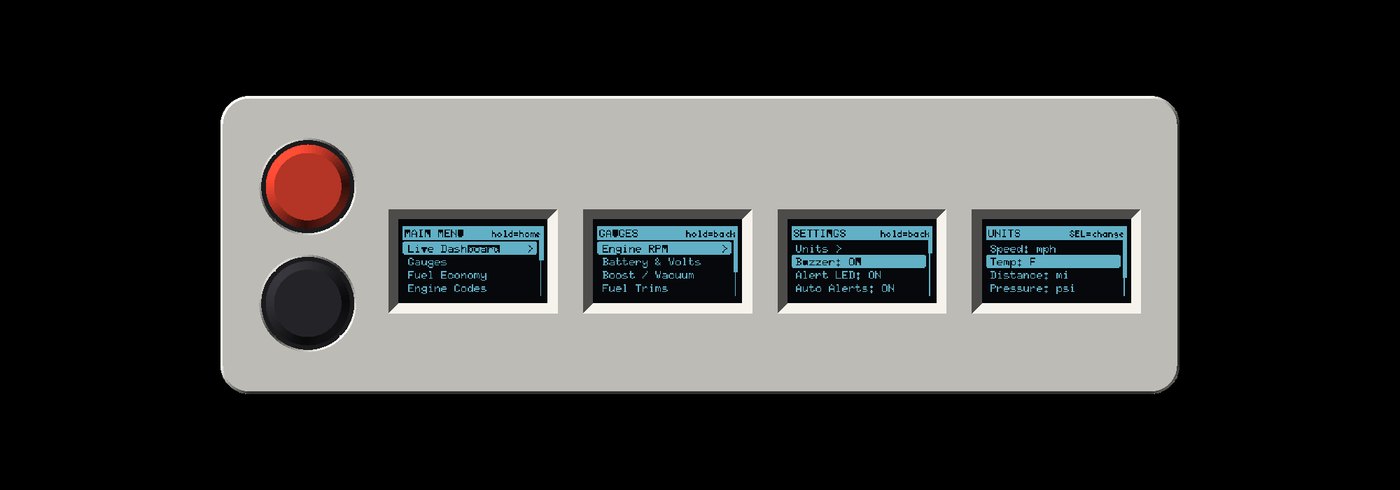
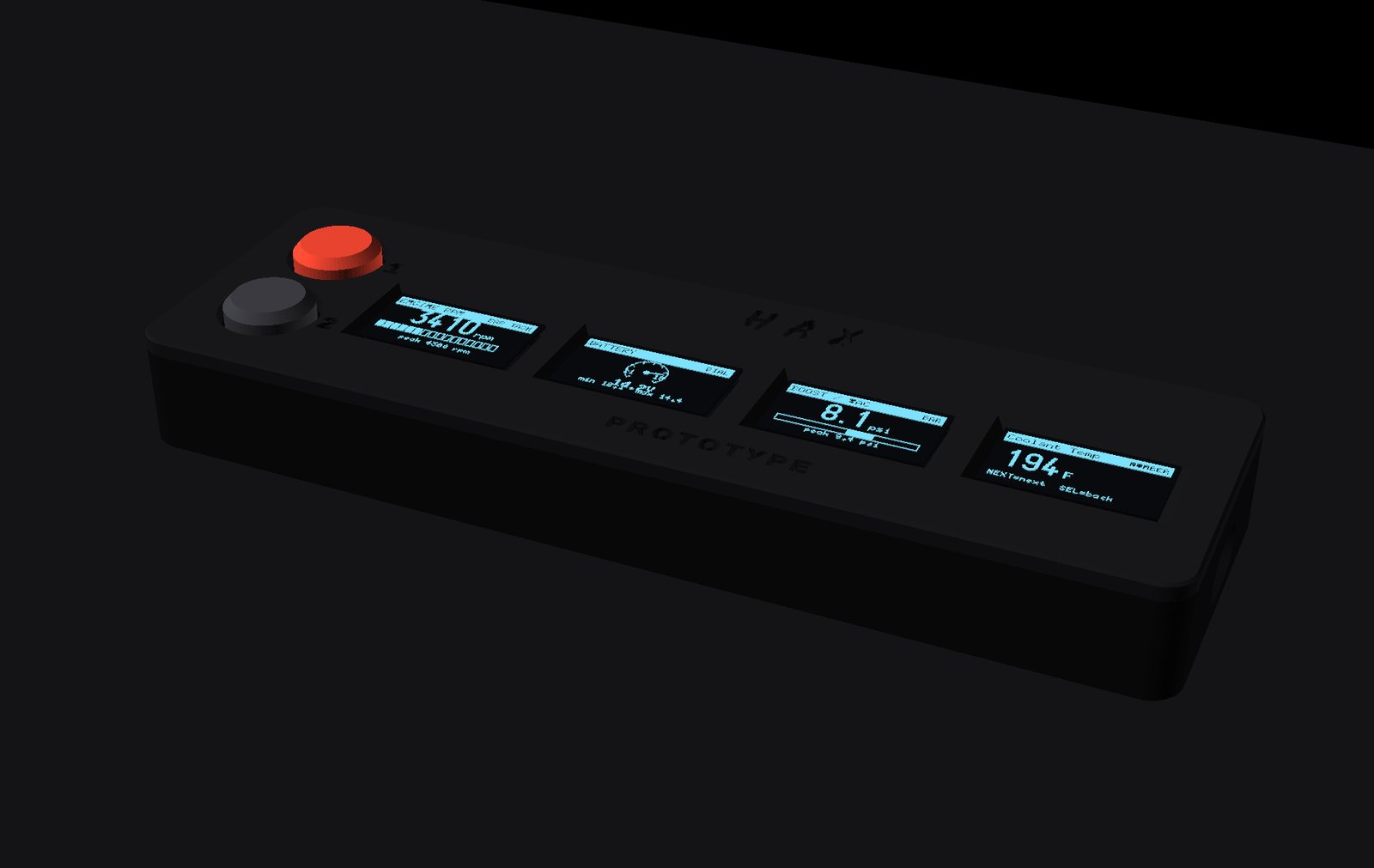
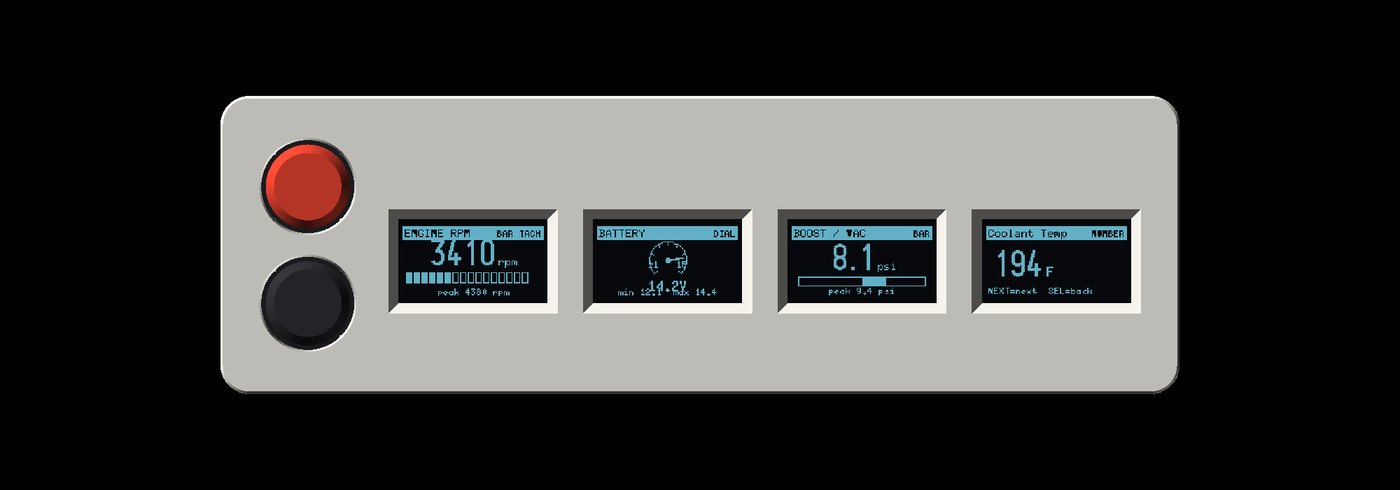
Any value can be a big number, a gauge, or a scrolling graph — hold NEXT to switch. Two buttons drive the entire interface.


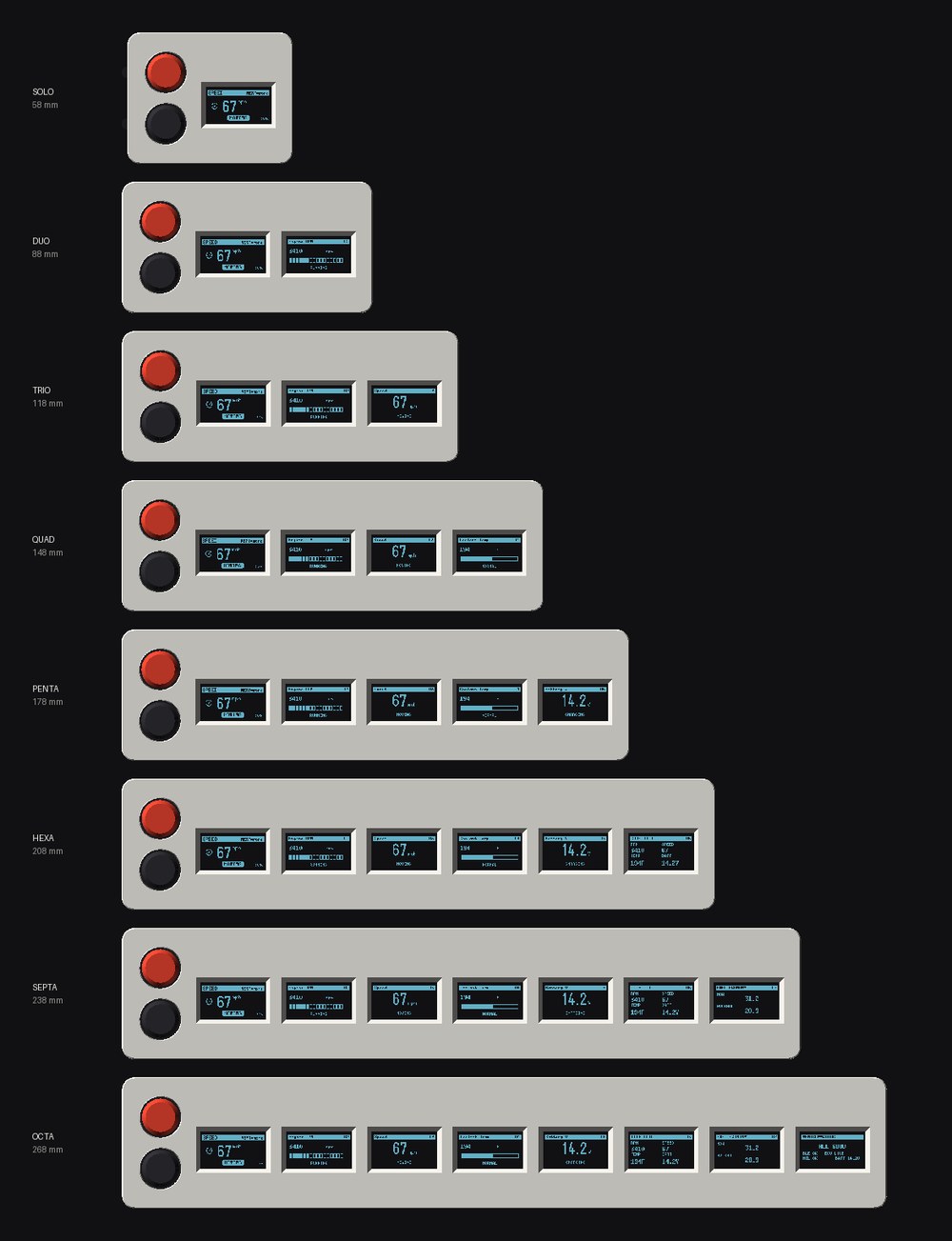
One design · eight sizes
Same brain, same buttons, same snap-fit body — it just grows one screen at a time. Shown at true relative scale.


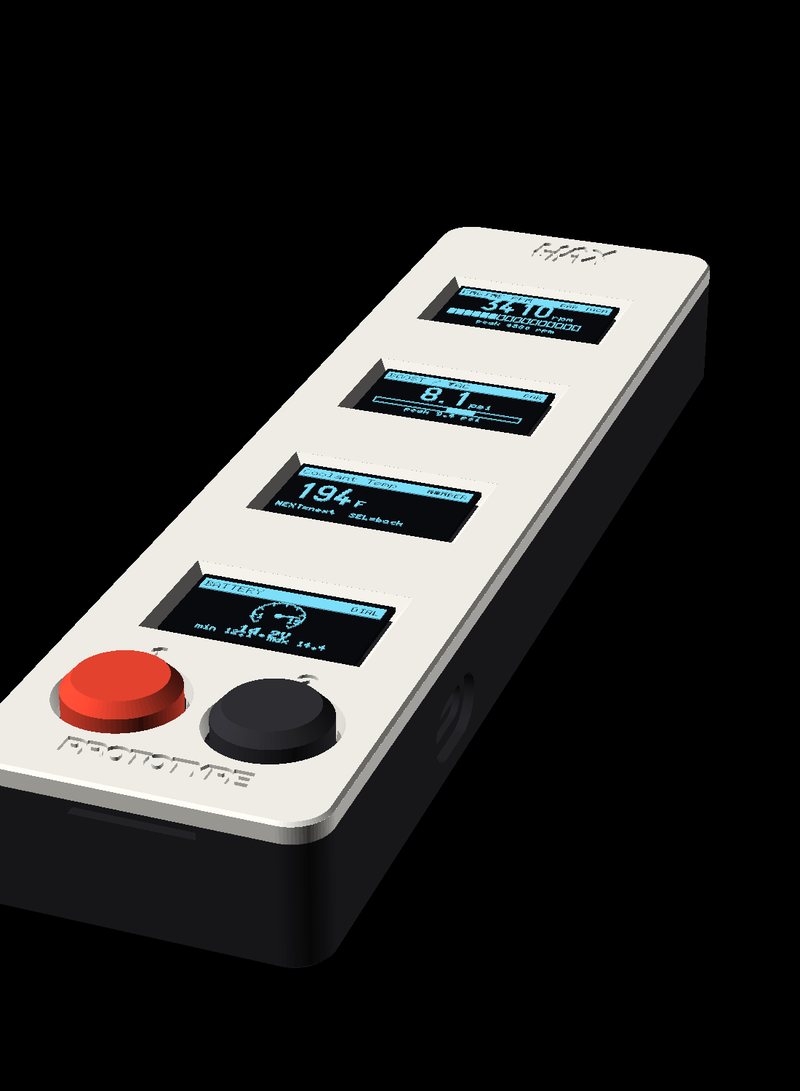
Four gauges stacked vertically, buttons at the bottom — sized to sit on an A-pillar like a classic gauge pod. Same firmware, same snap-fit body.

Inside
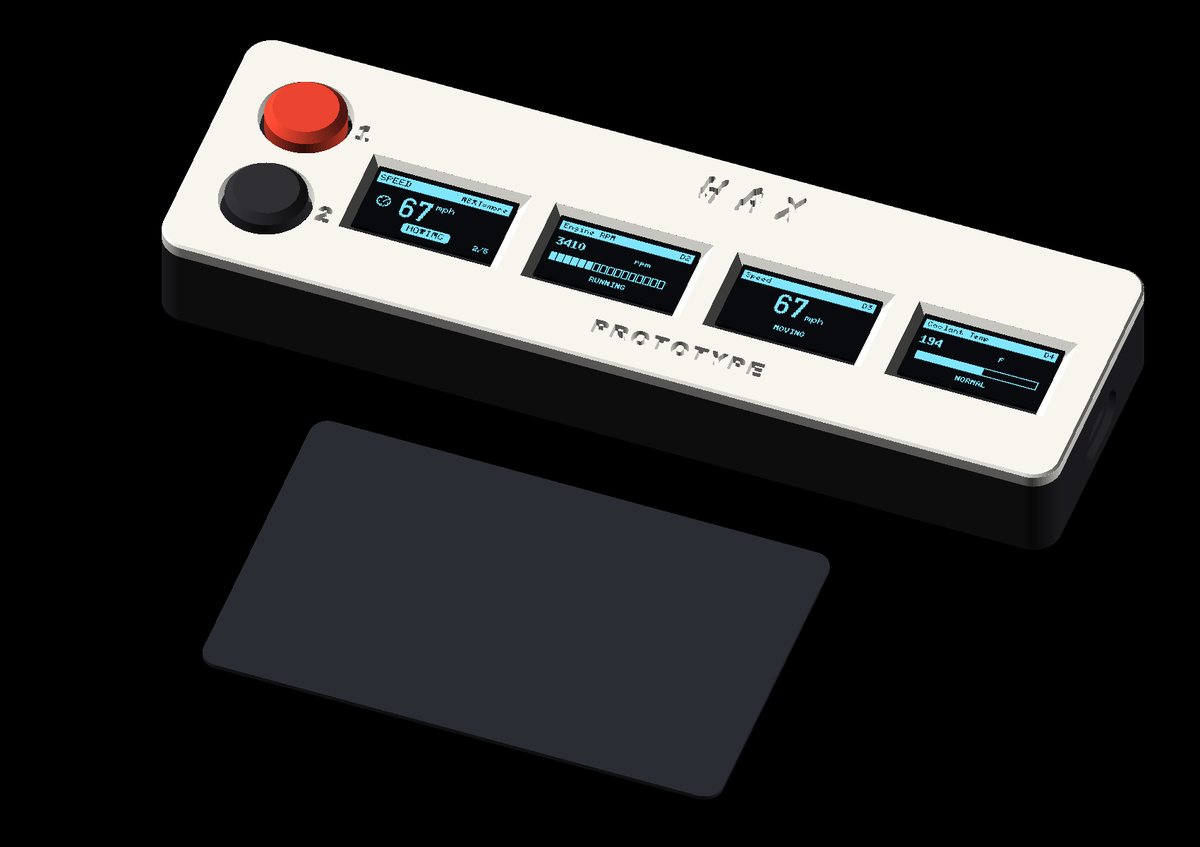
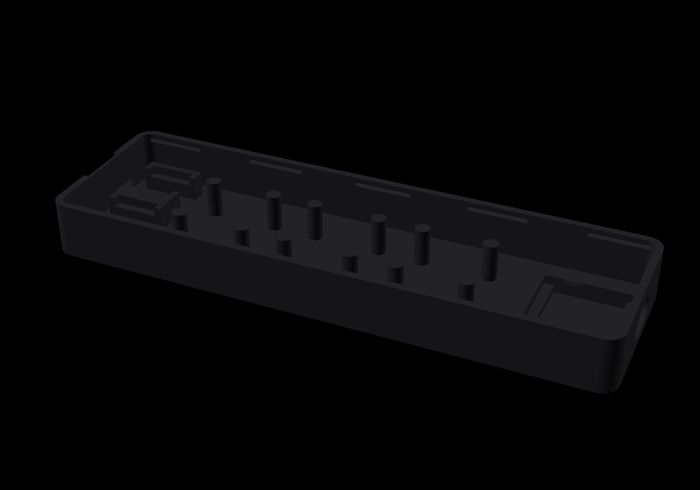
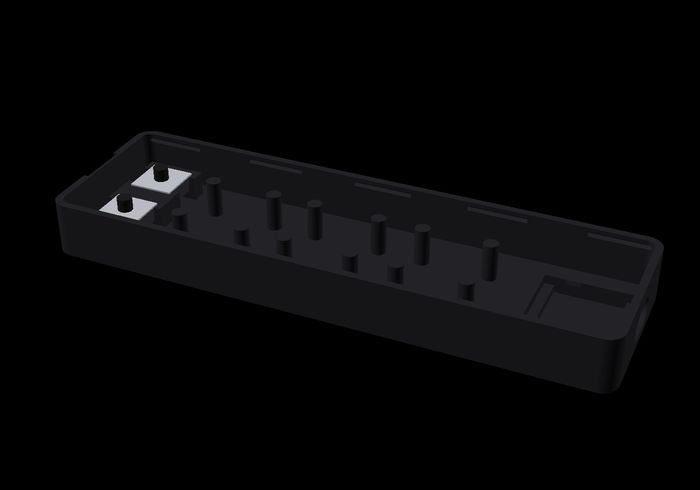
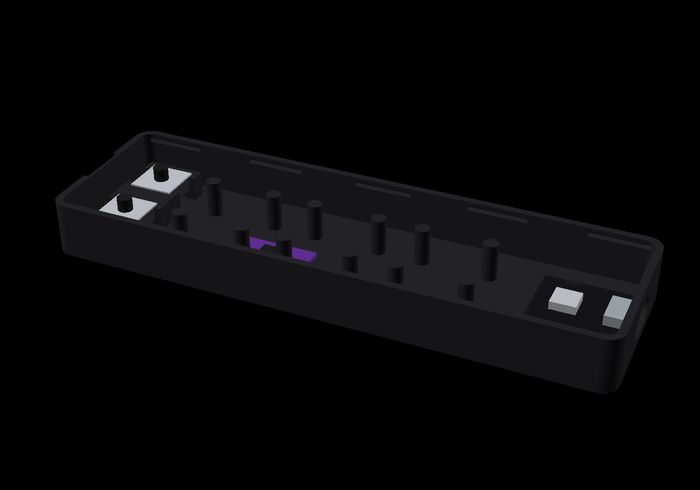
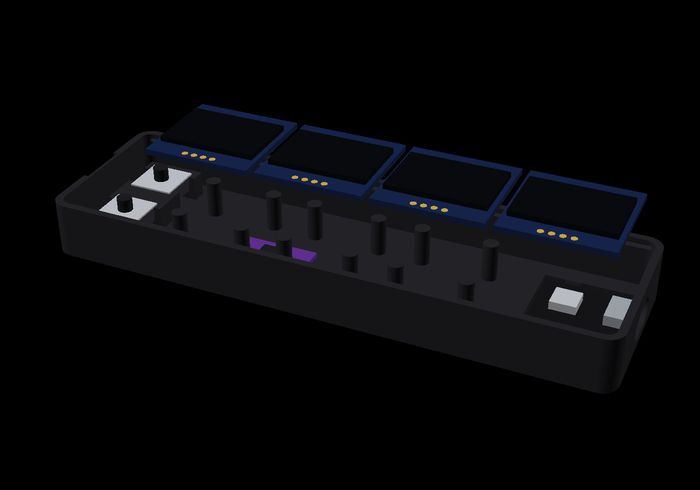
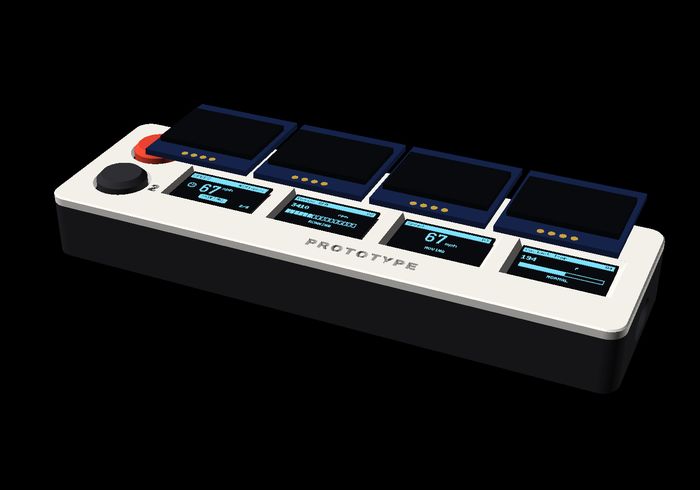
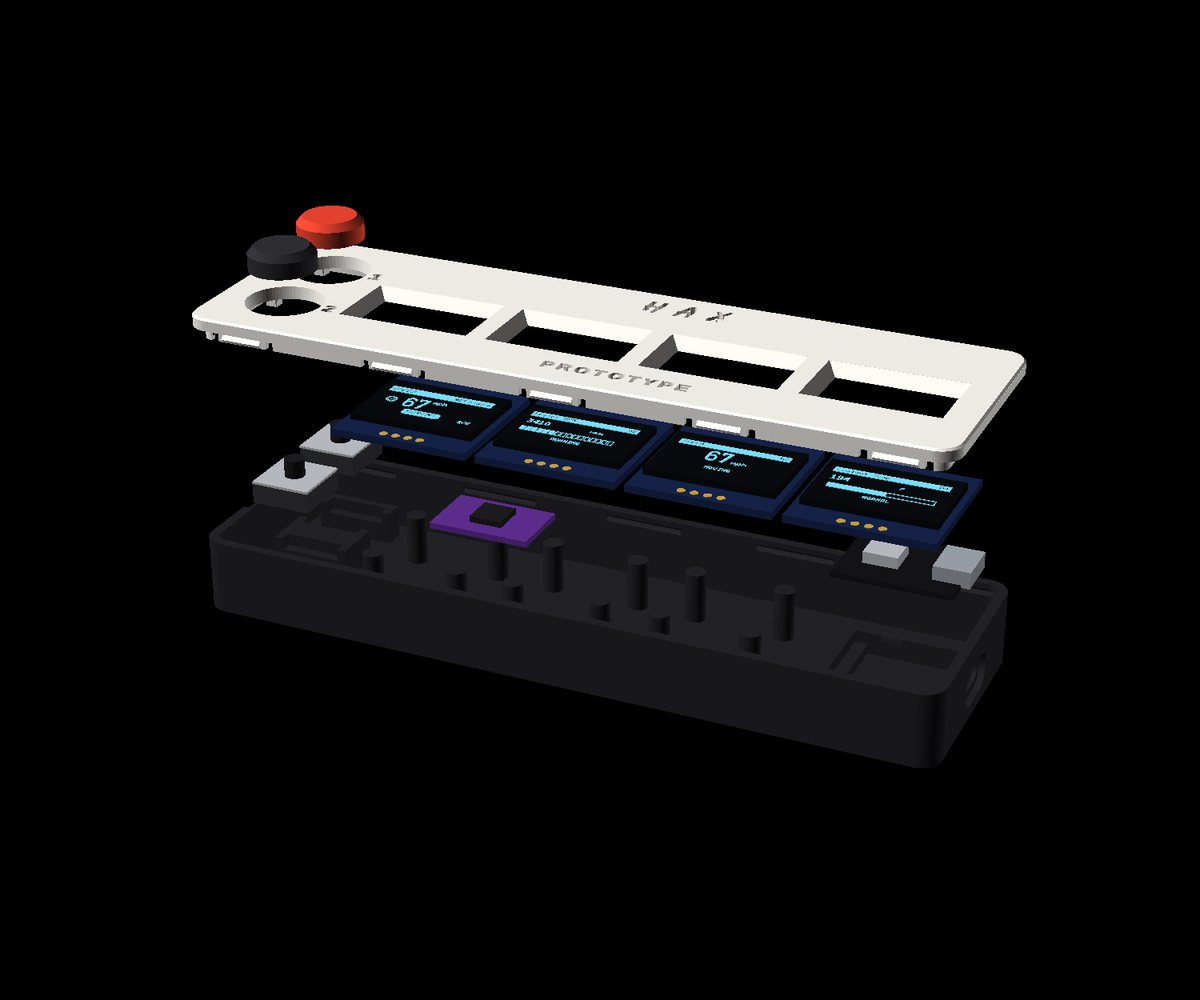
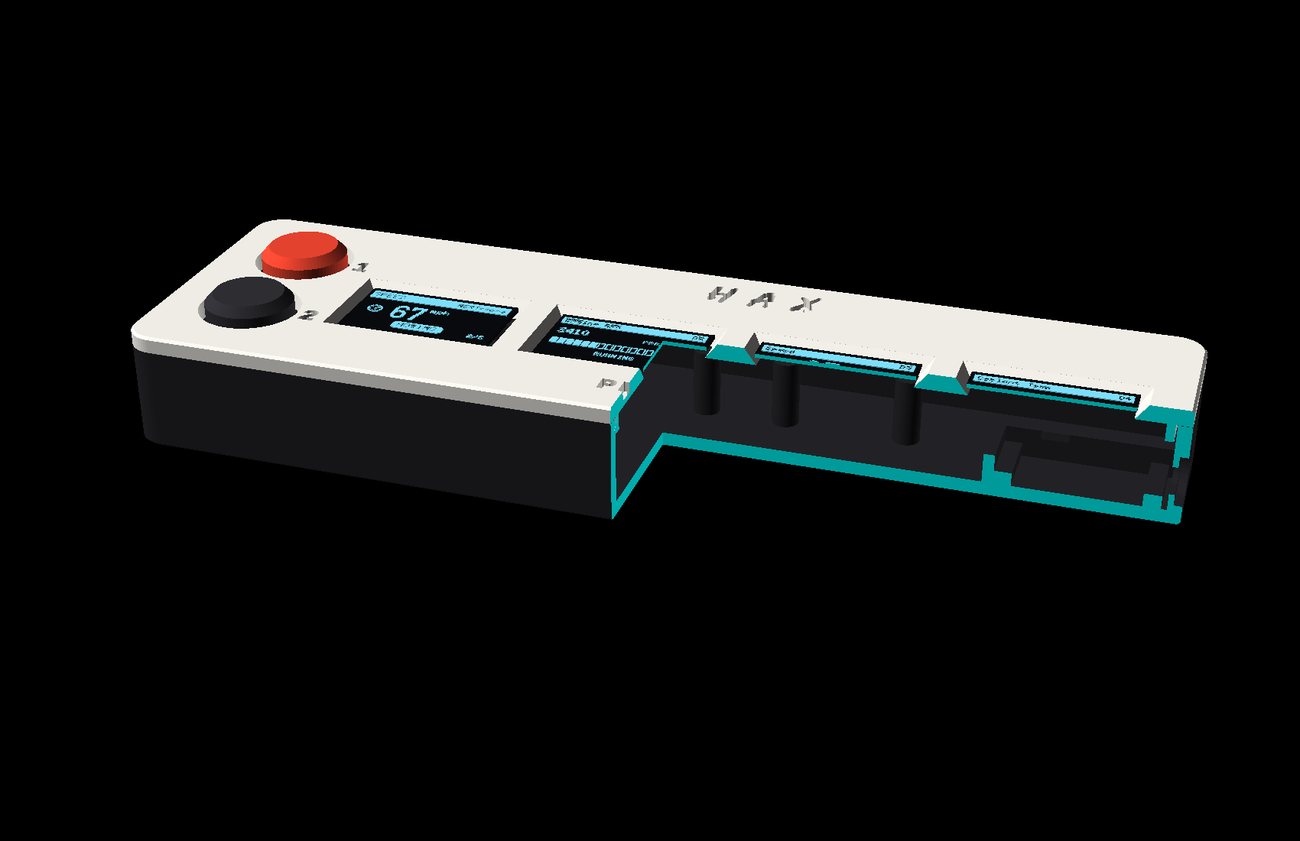
Two printed parts. Boards click into printed trays, the lid's barbs click into grooves in the walls, the caps push on last. About ninety seconds, no tools, and it opens again with a fingernail.

One printed part with every mount built in.

Drop into printed pockets, pins out the channel.

ESP32-C3 and the I²C mux click into their trays.

Each OLED pushes onto locator pins on the panel.

Press the panel on. Push the caps through. Done.


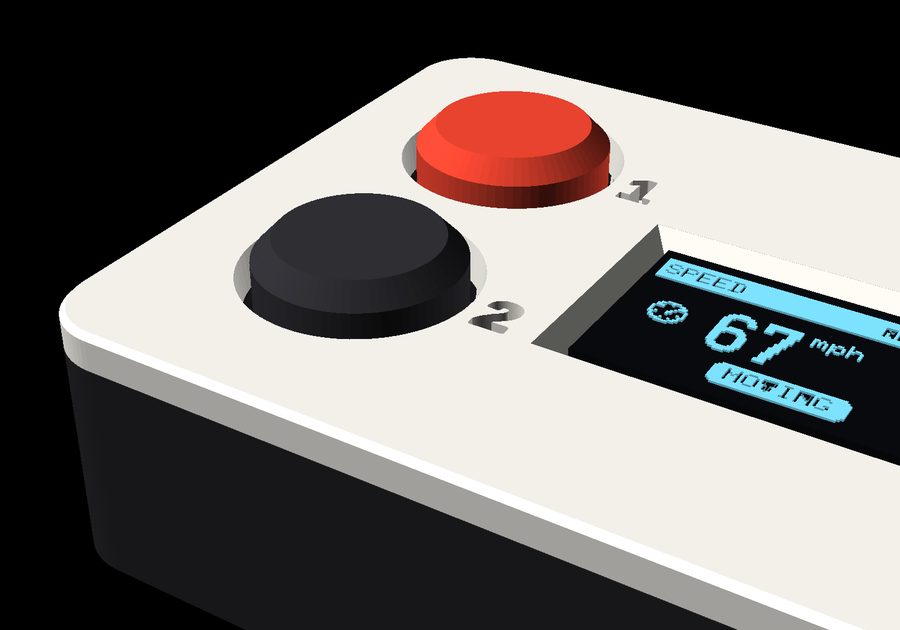
Each button hole is a continuous 12° cone, engraved 1 / 2 beside it.

The glass sits 0.2 mm behind the panel — no rattle, no light leak.

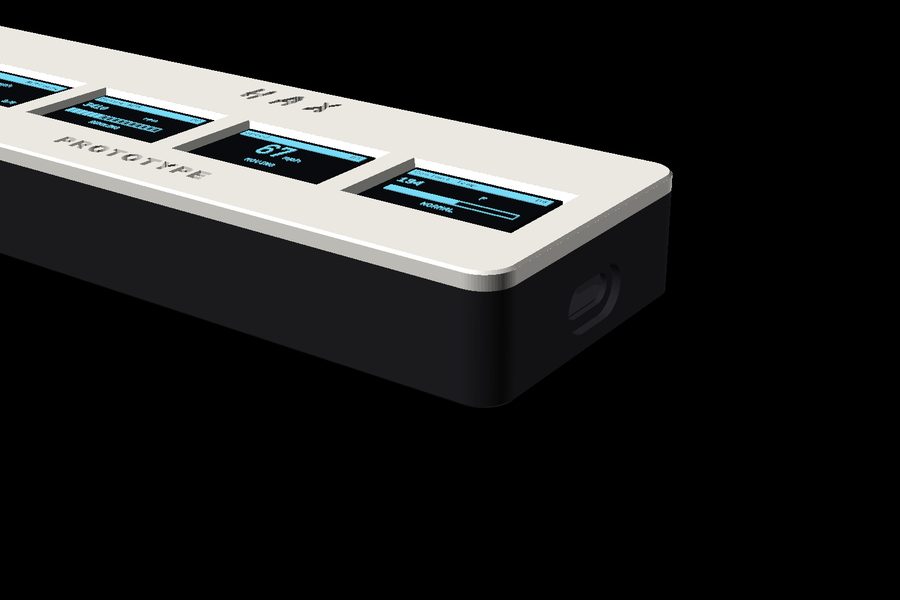
USB-C exits low on the end wall, recessed so the plug seats flush.
Specification
| Brain | ESP32-C3 — RISC-V @ 160 MHz, Bluetooth LE 5 |
| Vehicle link | Any BLE ELM327 OBD-II adapter, auto-discovered and remembered by address. Standard J1979: live data, stored / pending / permanent codes, freeze frame, readiness, VIN, code clearing |
| Compatibility | OBD-II vehicles — US 1996+, EU petrol 2001+, EU diesel 2004+ |
| Displays | 1–8 × 0.96″ OLED 128×64, partial-refresh scheduled; I²C multiplexer fitted from two screens up |
| Views | Number · gauge/bar · live graph, selectable per screen |
| Live sensors | 18 PIDs — load, coolant, fuel trims, MAP, RPM, speed, timing, IAT, MAF, throttle, O₂, run time, fuel level, baro, battery, ambient, fuel rate |
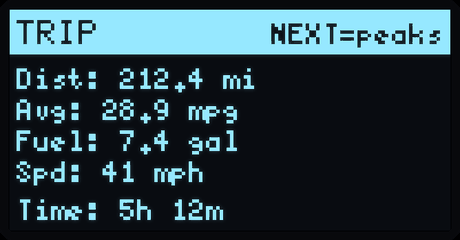
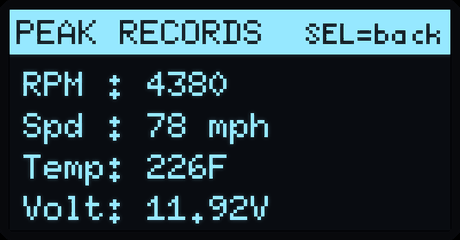
| Trip computer | Instant + average MPG (kept through power cycles), range, peak records, 0–60 timer |
| Alerts | Overheat, low voltage, shift light — buzzer and LED |
| Input / power | Two tactile buttons · USB-C from any 12 V socket |
| Body | Two printed parts, snap-fit, zero fasteners — 58 to 268 mm wide, 46 × 17.4 mm |
| Firmware | Tridectra Fault Sentinel — on-device code database, screen refresh fully decoupled from adapter speed, free updates over USB for the life of the product |
Documentation
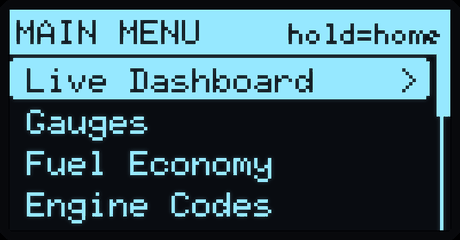
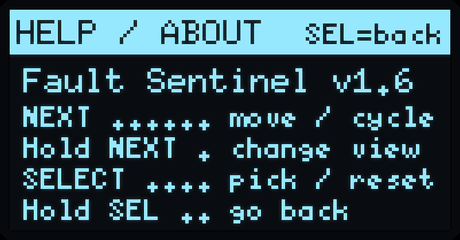
NEXT moves, SELECT picks. Tap or hold — four moves and you know the entire device.
| Tap NEXT | Next item, card or code — lists wrap |
| Hold NEXT | Fast scroll, or change the view on a gauge |
| Tap SELECT | Pick / OK / reset |
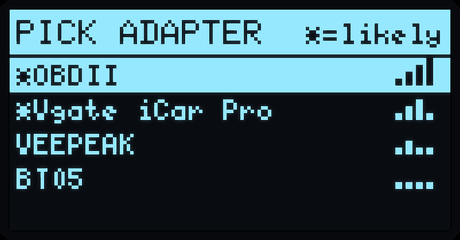
| Hold SELECT | Go back a level |
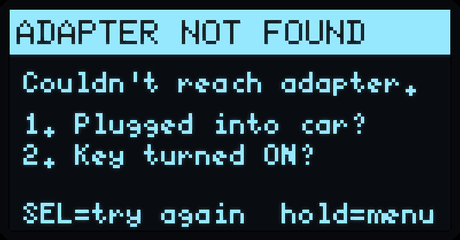
The full manual covers first-time pairing, every menu, the complete settings reference with all its options, multi-screen setup, alarms and troubleshooting.

The campaign
Launching with a $9,500 goal and a 30-day campaign. Every reward tier is a real device — assembled, flashed and soak-tested before it ships.
Duo / Trio / Penta / Hexa / Septa available as pledge options. Add-ons: vetted BLE adapter, 12 V→USB-C dash cable, pillar pod. Prices are draft pending final BOM quotes.